
 From Uzbekistan · Canada
Study in Canada
The right Canadian university, college or pathway for your grades, budget and start date — free guidance from Tashkent.
 Main intake · September 2027

150+ students from Uzbekistansupported in the last 12 months
Bachelor's, Master's, college diplomas, foundation and pathway programmes. Tell us where you are now and we show you the routes that fit — then handle the application with you.
Free consultation · Agreements with Canadian universities and colleges · Office in Tashkent, or online
 Free consultationNo fees, no obligation
 Fast processingQuick replies, no waiting
 Team in TashkentDedicated, five-person team
Next intakesMay 2027 — selected pathway college and college programmesSeptember 2027 — UBC and Toronto deadline 15 January 2027Start now →
Free Canada options check
Which Canadian Routes Fit You?
A counsellor in Tashkent reviews your situation and comes back with the universities, colleges, pathways and scholarships that fit you.
 Universities and colleges that fit your grades and budget
- Realistic scholarships and intake dates
- A step-by-step plan to your study permit
Free · Takes about a minute · No obligation
Prefer to chat? Message us on Telegram
Our students abroad
Real Students. Real Universities Abroad.
MultiPath students from Uzbekistan now at universities abroad — and the credentials behind our advice.
Success Story
Amirbek
BSc (Hons) International Tourism
Northumbria University
Success Story
Darya
BA of Design in Visual Communication

University of Technology Sydney
Success Story
Khusan
PhD Engineering and Physical Sciences
University of Southampton
Success Story
Otabek
Bachelor of Business

Macquarie University
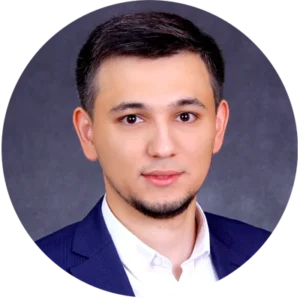
Your team in Tashkent
Javohir Jakhongirov, Country Partner
Leads MultiPath Expert in Tashkent and a five-person team that supported 150+ students from Uzbekistan in the last 12 months.
ICEF Accredited Agency
Agency ID 4976
International education agency recognised through the ICEF Agency Status programme.
In Canada we hold agreements with UBC Okanagan, Kwantlen Polytechnic, University Canada West, Toronto's International Foundation Program and six Navitas pathway colleges. For other universities we support your direct application.
Trusted in Tashkent
Why Families in Uzbekistan Choose MultiPath
A real office, a five-person team and 150+ students from Uzbekistan supported in the last 12 months — not a call centre abroad.

An office in Tashkent
GroundZero Sharq, Yashnabad District · Mon–Fri 10:00–18:00 · or online
Agreements in Canada
With UBC Okanagan, Kwantlen Polytechnic, the Navitas colleges and Toronto's IFP
Accredited since 2018
ICEF Accredited Agency 4976 · in international education since 2018

Free for students
Free consultation and application support — no fees, no obligation
Your counsellors
Your Team in Tashkent
Real people, local support: the counsellors who answer your form, check your eligibility and guide your application.
Javohir Jakhongirov
Country Partner
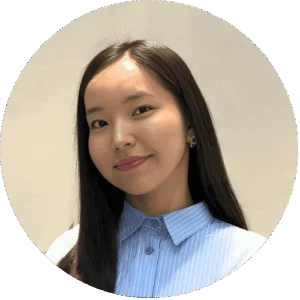
Feruza
Education Counsellor
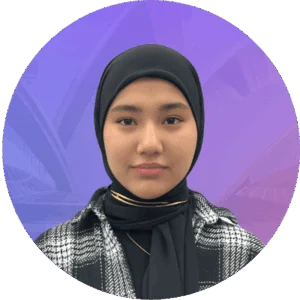
Maryam
Education Counsellor
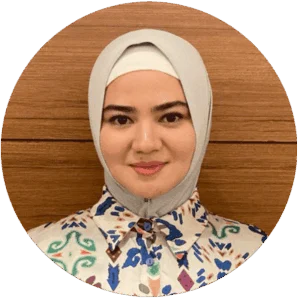
Muslima
Education Counsellor

Mubina
Education Counsellor
How We Help
From Your First Question to Your First Day in Canada.
One counsellor guides you through every step, free of charge. A typical timeline for September 2027 entry — January and May starts follow the same steps on a different clock.
- 1
Now → December 2026
Free consultation and shortlist
Your goals, grades and budget; a shortlist of universities, colleges and routes that fit; a documents checklist (transcripts, passport, IELTS plan).
- 2
By 15 January 2027
Applications
UBC and the University of Toronto close undergraduate applications on 15 January 2027 (Toronto through OUAC); other universities and every Master's programme set their own dates. Pathway colleges have several intakes a year. Statements and documents with us.
- 3
February → May
Offers and decisions
Compare offers, meet the conditions, book IELTS if needed and apply for the awards you qualify for. Accept by your deadline — 1 May or 1 June at UBC — and pay the deposit.
- 4
May → July
Attestation letter and study permit
Your institution arranges the provincial attestation letter if you need one (Master's and PhD students at public universities do not). Apply online with proof of funds — first-year tuition plus CAD 23,448 — then give biometrics in Almaty, Astana, Bishkek or Dushanbe.
- 5
August → September
Departure
Accommodation, pre-departure briefing, flights. Classes start in September — and we stay in touch after you land.
Study permit, attestation letter, funds and biometrics: IRCC, checked November 2026. Deadlines as published by UBC and the University of Toronto for 2027 entry.
Your route
Bachelor's, Master's, Colleges and Pathways
Whatever your starting point, there is a recognised route into a Canadian qualification — and a pathway college first year can take you straight into Year 2.
Your path at a glance
After school in Uzbekistan
 School certificate11th grade, lyceum or college
 Foundation or pathwayup to 1 year · or a pathway first year straight into Year 2
 Bachelor's degree3–4 years · 4 for Honours
After a Bachelor's degree
Bachelor's degreefrom Uzbekistan or abroad English or bridgingonly if needed
 Master's degreeusually 1–2 years
 PhD / research3–5 years
Strong candidates enter Year 1 or a Master's directly. Progression from a foundation programme or pathway college to the degree depends on passing at the required level and meeting the programme's progression requirements. Entry requirements and English-language scores are set by each university, college and programme.
Entry routeUniversity foundation
For school leavers who don't yet meet first-year entry — for example the University of Toronto's International Foundation Program: conditional acceptance plus English and academic courses. Pass at the required level and start Year 1.
Up to 1 yearAfter school→ Year 1
Fast trackPathway college first year
First-year university courses at a pathway college on or near campus, such as the Navitas colleges at Simon Fraser, Manitoba and Toronto Metropolitan. Meet the progression requirements and transfer into Year 2 of an eligible degree.
1 yearAfter school→ Year 2
UndergraduateBachelor's degrees
Three to four years, four for an Honours degree; many programmes add co-op terms of paid work in your field. Some universities accept the Uzbek school certificate directly with good grades.
3–4 yearsDirect or via pathwayBA · BSc · BCom · BEng
 Career-focused
College programmes
Diplomas of one to three years, and graduate certificates for degree holders, at public colleges and polytechnics. A later work permit needs an eligible field of study; colleges are not ranked.
1–3 yearsAfter school or degreeDiploma · Certificate
PostgraduateMaster's degrees
Course-based Master's (MA, MSc, MBA, MEng) and thesis-based degrees that lead towards a PhD, usually one to two years. You apply directly to the university; a Master's of eight months or more can lead to a three-year work permit.
1–2 yearsAfter a Bachelor'sCourse or thesis
EnglishLanguage preparation
Language programmes for students who need a higher score before their main programme; some lead into a degree through a conditional offer. Language-only study gives no off-campus work rights and no post-graduation work permit.
Weeks to monthsBefore your programmeConditional offer
Not sure where you fit? After school in Uzbekistan most students start with a foundation or pathway programme, or apply directly where the Attestat is accepted; after a Bachelor's, straight into a Master's.
Why Canada · for applicants from Uzbekistan
Why Study in Canada?
Eight reasons that matter when you apply from Uzbekistan — not slogans but rules and numbers, each checked against an official source in November 2026.
 QS · THE · ARWU top 1,000
Your Canadian degree counts at home
QS World University RankingsTimes Higher EducationARWU (Shanghai)
Since 1 March 2019 Uzbekistan recognises degrees from universities in the QS, THE or ARWU top 1,000 without the usual recognition tests. 30 Canadian universities are in the ARWU 2026 top 1,000, led by Toronto, UBC and McGill. Colleges and some universities are not ranked, so we check yours before you apply.
Source: Presidential decree of 16 January 2019; State Inspectorate list; ARWU 2026
 3–4 + 1–2 years
Degrees with paid work built in
Bachelor's degrees take three to four years, Master's one to two. Co-op programmes add paid work terms in your field — since 1 April 2026 a required placement needs no separate co-op work permit.
Source: EduCanada; IRCC student work placements, April 2026
Attestat · FoundationA route that fits your Attestat
Manitoba and Alberta list the Uzbek school certificate for first-year entry, with minimum grades by programme; UBC expects 12 years of school, so a foundation or pathway year is the way in. After a Bachelor's you apply for a Master's directly; some ask for five years of study.
Source: Entry pages of Manitoba, Alberta, Memorial and UBC, November 2026
 EYUF · entrance awards
Funding students from Uzbekistan can aim for
El-Yurt Umidi funds Master's and PhD study abroad. Canadian universities add entrance scholarships, often automatic — CAD 10,000–25,000 a year at UBC — and Toronto's Lester B. Pearson Scholarship covers tuition, books, fees and residence for four years for about 37 students a year.
Source: UBC, Laurier and University of Toronto award pages, November 2026
Up to 3-year PGWPWork while you study, stay after
Up to 24 hours a week off campus in term, full-time in scheduled breaks. After an eligible programme, a Post-Graduation Work Permit can last as long as the programme — 3 years after two-year programmes or any Master's. You need a language test: CLB 7 for degrees, CLB 5 for college.
Source: IRCC off-campus work and PGWP pages, checked November 2026
665 permit holdersA growing community from Uzbekistan
665 citizens of Uzbekistan held Canadian study permits at the end of 2024, up from 115 two years earlier. New permits fell from 525 in 2024 to 175 in 2025 as Canada tightened its rules, so a complete, well-prepared application matters.
Source: IRCC open data, study permit holders by citizenship, 2022–2025
 No direct flights
One stop — and biometrics nearby
No direct flights: most routes connect once, often in Istanbul. Canada has no visa application centre in Uzbekistan, so biometrics are given in Almaty, Astana, Bishkek or Dushanbe. Toronto is 9–10 hours behind Tashkent.
Source: IRCC visa application centre list, August 2026; airline schedules, November 2026
IELTS in UzbekistanEnglish from day one — and after
IELTS Academic and General Training are both available in Uzbekistan. Direct entry often needs Academic 6.5 with no band below 6.0 — Toronto's minimum — and pathways accept less. For the work permit after graduating, IRCC accepts General Training, CELPIP, PTE Core, TEF or TCF Canada — not Academic.
Source: IDP IELTS Uzbekistan; University of Toronto 2027–28; IRCC PGWP language tests
Rules and numbers change: study permits and work rights are set by Immigration, Refugees and Citizenship Canada, entry requirements by each institution, and the recognition list by Uzbekistan's State Inspectorate. We re-check them before every application.
Canada's Universities
Explore Universities in Canada
From leading research universities to career-focused colleges and polytechnics — in Toronto, Vancouver, Montreal, Calgary, Winnipeg, Halifax and across Canada. We help you compare Bachelor's, Master's, college and pathway options that fit your profile.












Direct university application
Already meet the university's entry requirements?
We can help you explore suitable Bachelor's and Master's degrees, prepare your application and navigate the admissions process.
University pathway programmes
Need additional academic or English preparation?
Foundation programmes and first-year pathway colleges can provide a route into a Canadian university when the relevant progression requirements are met.
University and pathway opportunities are available through our education partners, including Kaplan, Navitas and Global University Systems (GUS).
University availability and application routes vary by institution and programme. Our team will explain the relevant options and partner arrangements during your consultation.
Plan Your Budget and Start
Costs, Scholarships, Intakes and Work Rights.
The practical side of planning a Canadian degree — in plain language, from official sources.
Cost
What a Canadian degree costs
Tuition is set by each institution: Statistics Canada's averages for 2026/27 are CAD 42,062 a year for international undergraduates and CAD 24,693 for international graduate students.
For the study permit you show the first year's tuition plus CAD 23,448 for living costs (one person outside Quebec, applications from 1 September 2026), plus travel, and pay the CAD 150 permit fee and CAD 85 for biometrics. We help you budget realistically.
Intakes
When can you start?
Most degrees start in September. January starts exist at selected universities and programmes, and colleges and pathway colleges add January and May starts depending on the institution and programme.
For September 2027 UBC and the University of Toronto close undergraduate applications on 15 January 2027; Master's deadlines are set by each programme. We plan backwards from your target start.
Scholarships
University entrance awards
Most Canadian universities offer entrance scholarships for international students, often automatic — for example CAD 10,000–25,000 a year at UBC for 2027/28 or CAD 5,000–6,000 at Wilfrid Laurier University for September 2027.
The University of Toronto's Lester B. Pearson Scholarship covers tuition, books, fees and residence for four years for about 37 students a year; nominations for 2027 closed in October 2026. Values and criteria change yearly; nobody can guarantee a scholarship.
Working while studying
What the study permit allows
Whether and how much you can work depends on your programme and the conditions on your study permit. Eligible full-time students at a designated learning institution can work up to 24 hours a week off campus during regular terms and unlimited hours during scheduled breaks; on-campus work has no hour limit.
Students enrolled only in English or French language courses, or only in courses required for admission, cannot work off campus. Your study permit conditions always prevail.

Applying with El-Yurt Umidi?
The El-Yurt Umidi Foundation funds study abroad for citizens of Uzbekistan, including Master's and PhD programmes. The Foundation decides on its scholarships; we help you get the university offer it asks for.
Tuition averages: Statistics Canada, 2026/27 (released 16 September 2026); proof of funds and fees: IRCC, canada.ca, checked November 2026. Scholarship examples as published by each university for 2027 entry. Work rules: IRCC off-campus and on-campus work pages, checked November 2026. Your study permit conditions, not this page, are final.
Questions, Answered
Planning Your Studies in Canada.
Practical answers to the questions students and parents ask us most. Something else on your mind? Ask us in your free consultation.
I finished school in Uzbekistan — can I go straight into Year 1?
Sometimes. Some Canadian universities accept the Uzbek school certificate for first-year entry with good grades — the University of Manitoba and the University of Alberta list it, with minimum averages by programme. Others, such as UBC, expect 12 years of schooling, so a foundation or pathway first year is the usual route. For a Master's, some universities ask applicants from Uzbekistan for five years of university study. We check what your results allow before you apply anywhere.
Can I work while studying in Canada?
Usually yes, within the conditions of your study permit. Eligible full-time students at a designated learning institution can work up to 24 hours a week off campus during regular terms and unlimited hours during scheduled breaks; on-campus work has no hour limit. Students enrolled only in English or French language courses, or only in courses required for admission, cannot work off campus. You must show your funds without counting on work, and your permit conditions are final.
When are the intakes, and when should I apply?
Most degrees start in September; January starts exist at selected universities and programmes, and colleges and pathway colleges add January and May starts. For September 2027 UBC and the University of Toronto close undergraduate applications on 15 January 2027; other universities and Master's programmes set their own dates. Start 9–12 months ahead.
Do I need IELTS or another English test?
Usually yes. Direct entry often needs IELTS Academic 6.5 with no band below 6.0 — the University of Toronto's minimum — but each institution and programme sets its own score, and pathway programmes accept lower ones. For a Post-Graduation Work Permit later you need IELTS General Training, CELPIP, PTE Core, TEF or TCF Canada; IELTS Academic does not count. We check what applies to you.
How much does it cost to study in Canada?
Tuition is set by each institution; Statistics Canada's 2026/27 averages are CAD 42,062 a year for international undergraduates and CAD 24,693 for international graduate students. For the study permit you must show the first year's tuition plus CAD 23,448 for living costs (one person outside Quebec, applications from 1 September 2026), and pay the CAD 150 permit fee and CAD 85 for biometrics (IRCC, November 2026). Quebec sets its own amounts. We help you budget realistically.
Are scholarships available for international students?
Yes. Most Canadian universities offer entrance scholarships, often considered automatically on admission — for example CAD 10,000–25,000 a year at UBC for 2027/28 or CAD 5,000–6,000 at Wilfrid Laurier University for September 2027 — and the University of Toronto's Lester B. Pearson Scholarship covers tuition, books, fees and residence for four years for about 37 students a year. Each university sets its own criteria and values change yearly, so we check the current options for your profile. Nobody can guarantee a scholarship.
Applying from Uzbekistan? The El-Yurt Umidi Foundation also funds study abroad for citizens of Uzbekistan. The Foundation decides on its scholarships; we can help with the university offer it asks for — mention it in the form and we take it from there.
Which Canadian universities can MultiPath help me apply to?
We hold agency agreements with UBC Okanagan, Kwantlen Polytechnic University, University Canada West, the six Navitas pathway colleges in Canada and the University of Toronto's International Foundation Program, and support direct applications elsewhere. Through a pathway college our agreement is with the college; admission decisions are always made by the institution.
Can I bring my husband, wife or children?
Family members can apply to come with you, but the funds you must show rise with each person — CAD 29,192 for two outside Quebec. Since 21 January 2025 a spouse or partner qualifies for an open work permit only if you study a Master's of 16 months or longer, a doctoral degree or certain professional degrees such as medicine, law or engineering. We are not licensed immigration consultants; your permit conditions, not this page, are final.
Ready when you are
Get Your Free Study in Canada Consultation
Have questions about studying in Canada? Tell us what you're looking for and a counsellor in Tashkent will help you find the right route.
Free consultation · Personalised guidance · No obligation
Prefer to chat? Message us on Telegram

Visit us in Tashkent
MultiPath Expert, GroundZero Sharq
GroundZero Sharq, 6th floor, P. Mahmud Street, 2 Passage, House 31, Yashnabad District, Tashkent 100073
Near Mashinasozlar metro station · Mon–Fri 10:00–18:00
+998 90 970 90 47 · Message us on Telegram